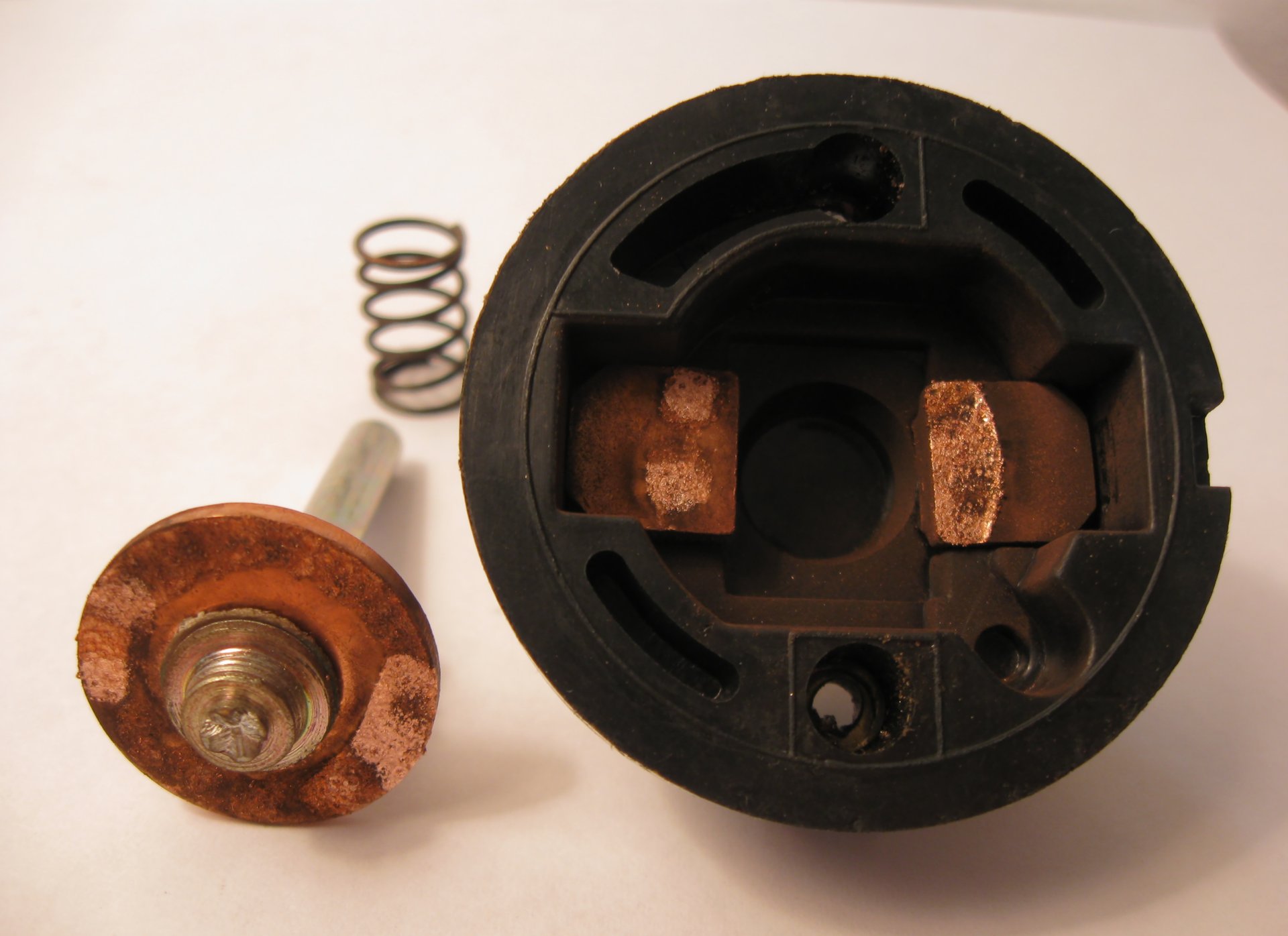

Plastic and aluminum oil filter housings both fail when production control is wrong. Choose by return data, not perception alone: confirm material grade, critical dimensions, leak-test method, heat-cycle validation and batch traceability before ordering.
Plastic and aluminum oil filter housings both fail when production control is wrong. Choose by return data, not perception alone: confirm material grade, critical dimensions, leak-test method, heat-cycle validation and batch traceability before ordering.
Are you still dealing with returns and warranty claims caused by failed plastic oil filter housings?
An aluminum oil filter housing is often the first alternative considered when a replacement plastic unit fails soon after installation. The failure often brings the added cost of a product return and a second repair, but that does not mean it is simply a “plastic fault.” A well-made plastic oil filter housing can work reliably for years, while an aluminum oil filter housing may still leak if its dimensions or sealing surfaces are incorrect. The real question is not which material is always better, but where each one works well and what you should check before choosing.
OEMs don’t choose plastic oil filter housings only to reduce part cost. Plastic lowers vehicle weight, resists corrosion, and allows oil passages, mounting points, sensor ports, filter cavities, and cooler connections to be integrated into one assembly. Fewer separate parts mean fewer joints, fewer assembly steps, and less space required around the engine.
High-volume production is another reason. Injection molding can form complex internal and external features with limited secondary machining, while aluminum housings often require additional work on threads, ports, mounting faces, and sealing surfaces. Once the mold and process are stable, plastic housings can be produced quickly with repeatable dimensions and a lower cost per unit. Most qualified products use glass-fiber-reinforced polyamide selected for resistance to engine oil, coolant, vibration, pressure, and repeated temperature changes.
The problem is that two plastic housings with the same appearance may perform very differently. Resin grade, glass-fiber content, material drying, mold temperature, injection pressure, insert positioning, and cooling time all affect the finished part. Weak control in any of these areas can create warpage, brittle sections, poor threads, weak weld lines, or sealing surfaces that move after heat cycling. Judge a plastic oil filter housing by its material specification, dimensional consistency, pressure and leak test results, heat-aging performance, and batch traceability. A low quotation means little if the same part returns six months later with an oil leak and another warranty claim.
An aluminum oil filter housing is more rigid than a comparable plastic unit, making it less likely to deform around mounting points, gasket grooves, and sealing surfaces under bolt load and repeated heat cycles. The production process is also different. Aluminum housings are normally cast first, then machined at the threads, ports, mounting faces, and other critical locations.
This production method changes the quality risks you need to manage. Casting porosity can create leaks that aren’t visible from the outside, while inaccurate machining may leave the mounting face uneven or the gasket groove at the wrong depth. Burrs inside an oil passage, damaged threads, poor surface finish, and metal chips left after machining can all cause installation problems or warranty claims. Aluminum is also heavier, transfers heat faster, and may corrode if the alloy or surface treatment doesn’t suit the application. Before treating an aluminum housing as an upgrade, confirm the alloy specification, critical dimensions, pressure test standard, thread inspection, internal cleanliness, and batch consistency. The material provides greater structural strength, but casting and machining control determine whether that strength results in a reliable part.
The practical difference between plastic and aluminum oil filter housings goes beyond material strength. The comparison should also cover production cost, dimensional stability, inspection requirements, and the type of failure each design is more likely to produce.
|
Comparison Point |
Plastic Oil Filter Housing |
Aluminum Oil Filter Housing |
What It Means for Your Order |
|
Rigidity |
More flexible and sensitive to heat aging |
More stable under bolt load and heat cycles |
Aluminum is useful where housing deformation is a known issue |
|
Weight |
Lighter |
Heavier |
Relevant to OEM weight targets and shipping costs |
|
Design integration |
Complex passages, ports, and mounting features can be molded together |
Complex features often require casting and secondary machining |
Plastic can reduce part count and assembly work |
|
Production cost |
Lower unit cost at stable, high production volumes |
Casting and machining usually increase unit cost |
Compare total landed cost rather than piece price alone |
|
Dimensional risks |
Warpage, shrinkage, weak weld lines, and insert movement |
Casting variation, machining errors, and incorrect gasket groove depth |
Inspection plans should match the production process |
|
Typical failures |
Cracks, distorted sealing surfaces, damaged molded threads, and heat aging |
Porosity, corrosion, damaged threads, uneven machining, and internal burrs |
Both materials require dimensional and leak testing |
|
Corrosion resistance |
Polymer body doesn’t corrode |
Alloy and surface condition affect corrosion resistance |
Check the operating environment and coolant exposure |
|
Quality control focus |
Resin specification, drying, molding parameters, and heat aging |
Alloy specification, porosity, machining accuracy, and cleanliness |
Supplier capability matters more than the material label |
|
Best sourcing fit |
High-volume programs with stable tooling and process control |
Upgrade programs that prioritize rigidity and dimensional stability |
Application requirements and warranty history should guide the choice |
Plastic remains suitable when weight, part integration, and production volume matter, provided the supplier controls the resin and molding process. Aluminum becomes more attractive when you need to reduce cracking or sealing-surface distortion, but higher rigidity doesn’t compensate for porosity, inaccurate machining, or poor internal cleanliness.
An aluminum oil filter housing is better only when it solves the failure mode that is costing you money. Changing the material without correcting fit, sealing, or production problems simply replaces one type of warranty claim with another.
An aluminum replacement makes sense when the original plastic design repeatedly cracks, warps, or loses sealing pressure after long-term heat exposure. If returns are caused by poor resin, unstable molding, or incorrect installation, a better-controlled plastic housing may solve the problem at a lower total cost. Base the decision on return data rather than customer perception. Review where the failed housing leaked, how long it remained in service, whether the mounting face changed after heat cycling, and whether the same failure appears across multiple batches. An aluminum version still needs verified dimensions, flat sealing surfaces, correct gasket compression, clean oil passages, and stable pressure-test results. Vehicle fitment and installation torque also need validation because a rigid housing won’t compensate for misaligned ports or incorrect mounting geometry. Aluminum should be treated as an engineered alternative, not an automatic upgrade.
Before approving an oil filter housing for a volume order, confirm its application, assembly content, material, critical dimensions, and test standard in writing instead of relying only on product photos and an OE number.
|
Check Item |
What to Confirm |
Why It Matters |
|
Vehicle application |
OE number, engine code, model year, and regional fitment |
The same vehicle model may use different housings across engines or production years |
|
Supply scope |
Bare housing or complete assembly, including cooler, cap, seals, sensors, valves, and hardware |
Quotes can’t be compared until the included components are the same |
|
Material specification |
Resin grade and glass-fiber content for plastic, or alloy grade for aluminum |
Similar-looking parts may have very different heat resistance and strength |
|
Critical dimensions |
Mounting-hole position, port angle, gasket groove depth, sealing-face flatness, and thread size |
Small dimensional errors cause installation difficulty and oil or coolant leaks |
|
Seals and gaskets |
Material, profile, quantity, installation position, and whether they are preinstalled |
Incorrect seals can make a qualified housing fail after installation |
|
Pressure and leak testing |
Test medium, pressure, holding time, sampling rate, and acceptance criteria |
A tested claim means little without a defined test method |
|
Heat-cycle validation |
Temperature range, cycle count, and dimensional or leakage results after testing |
Confirms whether the housing and seals remain stable after repeated heating and cooling |
|
Internal cleanliness |
Burr control, washing process, particle limit, and protection of open ports |
Metal chips, plastic debris, and dirt can enter the lubrication system |
|
Traceability |
Production date, batch number, inspection records, and defect-response process |
Allows warranty claims to be traced to a specific production lot |
|
Packaging |
Protection for threads, machined surfaces, connectors, and sealing faces |
Transport damage can create defects before the part reaches the installer |
Approve a production-intent sample before releasing the purchase order, then keep the approved sample, dimensional report, material specification, and pressure-test record as your acceptance references. Confirm that mass-production parts use the same tooling, material, component suppliers, and test process, inspect the first shipments more closely for sealing-face flatness, port position, thread quality, assembly content, and leak performance, and require approval for any later change that could result in different components, looser tolerances, or reduced testing.
Only when the mounting points, oil and coolant passages, sensor ports, gasket position, and internal valve functions match the original design. Check the engine application and critical dimensions instead of relying only on the OE cross-reference.
Some aluminum housings retain the original filter, cap, and gasket design, while others use different seals or include a revised assembly. Confirm every included component before ordering because a correct housing body can still generate returns when the filter or gasket doesn’t match.
The higher unit cost is justified when the aluminum version solves a documented cracking, warping, or sealing problem and reduces repeat warranty claims. If the existing failures come from poor dimensions or inconsistent production, changing the material won’t correct the underlying issue.
The manufacturer’s production accuracy matters more than the material name. Sealing-face flatness, gasket groove depth, mounting-hole position, port alignment, thread accuracy, and leak-test consistency determine whether the housing installs correctly and remains sealed. A precisely molded plastic housing can outperform a poorly cast or machined aluminum one.
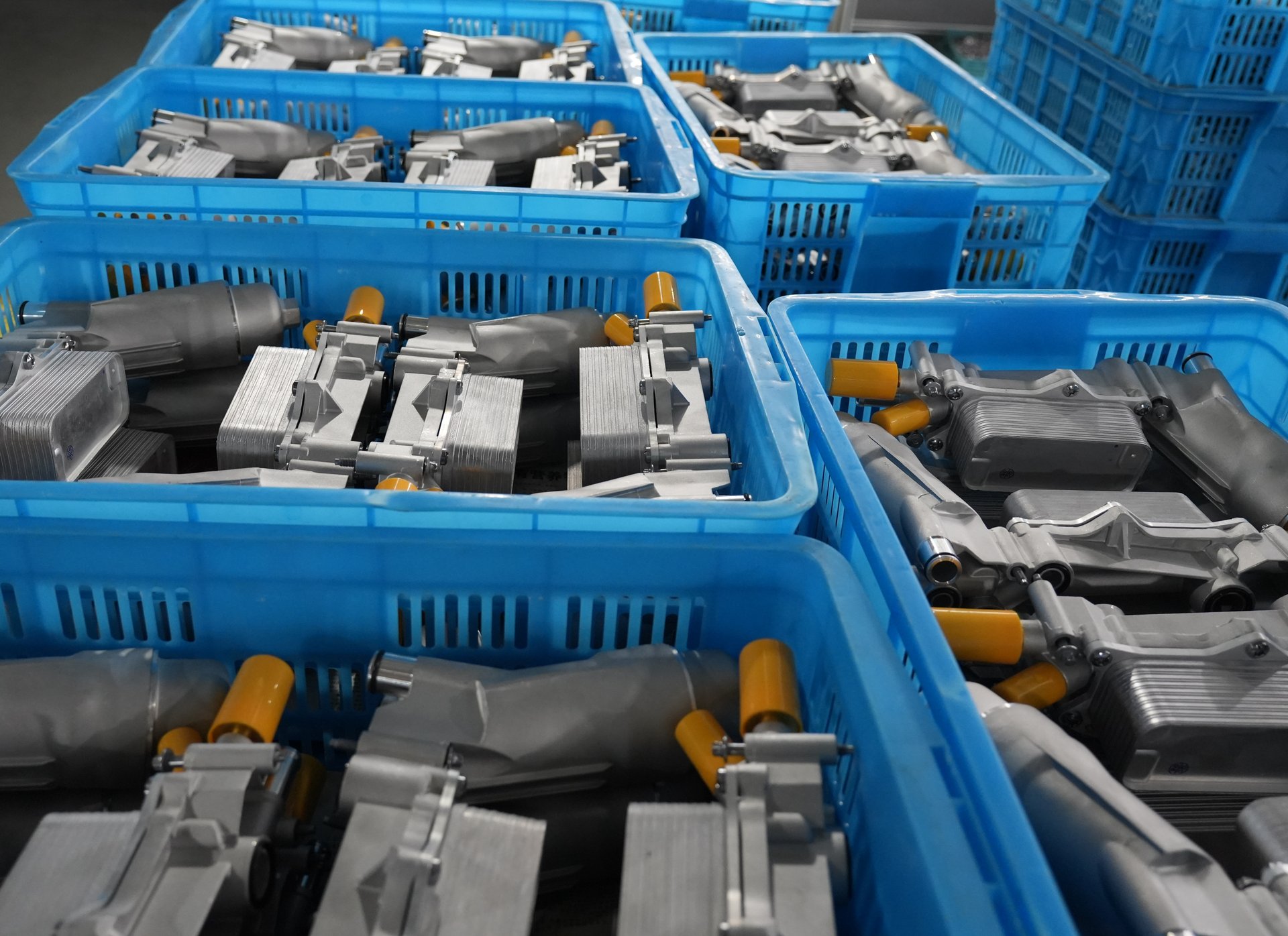
Oil Filter Housing
If you’re looking for an oil filter housing, you need to understand it thoroughly before making a choice. Let’s break down its main functions, core components, and what quality-related factors matter so you can select a precise and functional product.

Sintly will be at Booth 11.3L06, the 140th Canton Fair Phase 1, Oct 15-19, 2026 at the Canton Fair Complex in Guangzhou. Meet our team.
Oil Filter Housing
If you’re looking for an oil filter housing, you need to understand it thoroughly before making a choice. Let’s break down its main functions, core components, and what quality-related factors matter so you can select a precise and functional product.
Sintly will be at Booth 11.3L06, the 140th Canton Fair Phase 1, Oct 15-19, 2026 at the Canton Fair Complex in Guangzhou. Meet our team.