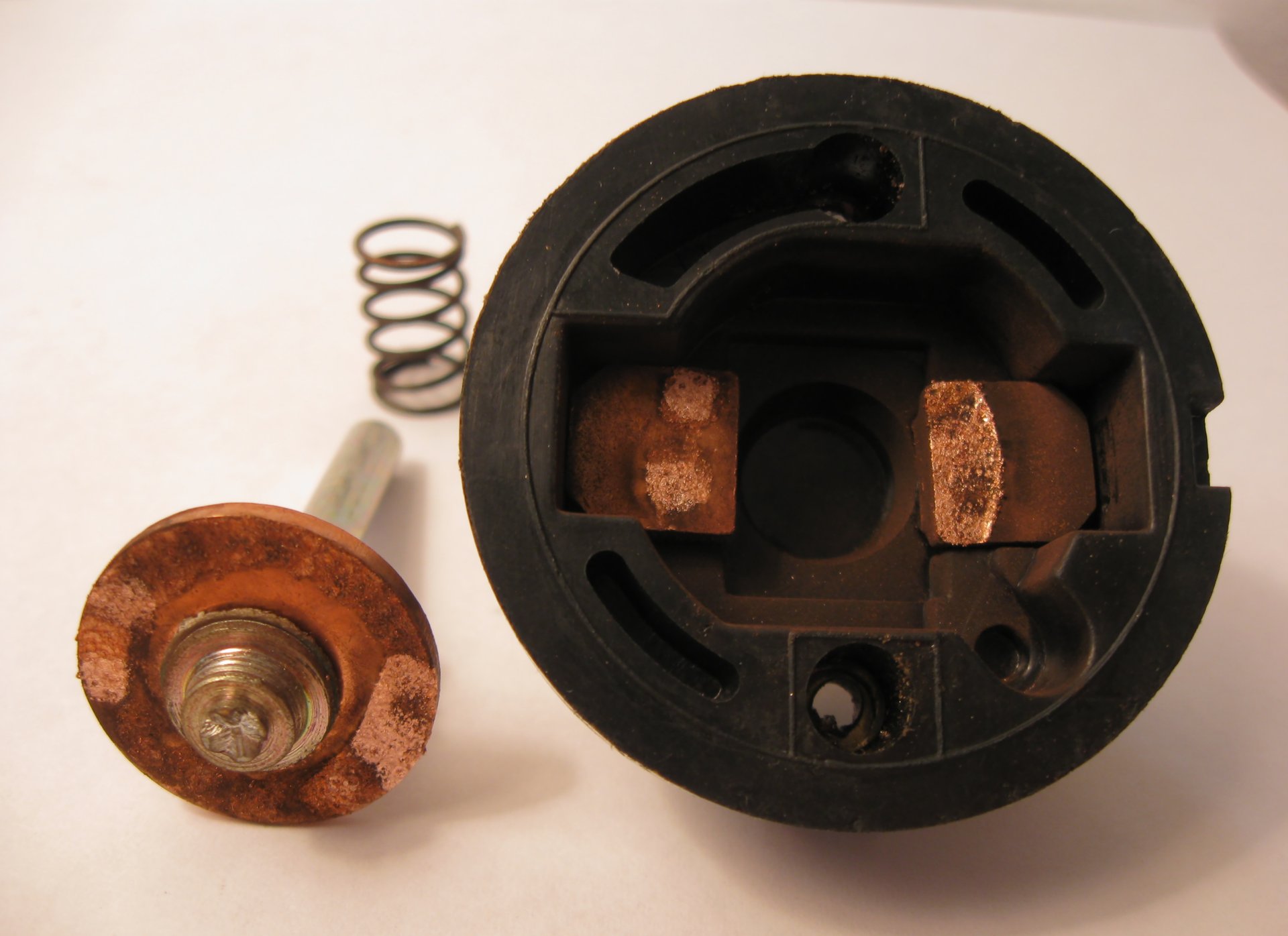

There are 5 signs of bad starters to help you find out the exact cause.
There are 5 signs of bad starters to help you find out the exact cause.
A starter motor, also called a “self starter motor”, is an essential part that connects the battery and the engine. It converts the battery’s electrical energy into mechanical energy to start the engine. Once the engine is running normally, the starter motor disconnects automatically, and is ready for the next time you start the engine.
One important job of the starter motor is to start the engine. When you start the car, the starter’s gear meshes with the flywheel to quickly turn on the engine. So the most obvious sign of a problem is whether the car starts or not, and the different issues during starting. Below are some warning signs you might see when you try to start your car:
When the driver turns the key, there is no sound of ignition or the engine doesn’t respond at all. It might be caused by a worn-out starter solenoid that can’t respond to your command. Also, if the gear doesn’t engage with the flywheel, or if the bolts holding the starter are loose, the starter motor may run normally but can’t turn the engine to work properly.
If your car won’t start right away, and the starter motor turns slowly, you should pay attention that the engine takes longer than usual to start. Is your battery weak? Or maybe some parts inside the starter motor are worn out, like worn brushes, or dirty and worn contacts causing poor connection.
The starter motor uses a strong current of 100A to 200A to quickly start the engine. A common reason is poor connection between the battery, starter, and engine, If this process gets stuck or delayed. For instance, burned contacts in the solenoid or bad gear engagement with the flywheel. Another reason could be the starter are overhead, which raises the resistance in the solenoid and cuts off the current. Also, we all know that starting the engine depends on many parts working together. So, you should check the power source — is the battery giving enough power?
Clicking, grinding and roaring — you might hear one of these sounds when something goes wrong with your car. Each one has a different cause.
There’s no sound except a single clicking, the starter solenoid turns on, but the starter has no response. It may be because the starter can’t receive enough power from the battery.
If you hear grinding, it may be caused by the wear due to rust or improper engagement between flywheel and gear. You should identify the exact cause of grinding.
In addition, the solenoid is stuck if the starter motor makes a loud roaring sound. The starter can’t stop spinning at the moment and you have to disconnect the battery to stop the noise.
When you‘re turning the key frequently to start the engine, stop right away. It can lead to a burning smell and smoke. Using the starter too much builds up strong electrical current, which can damage the insulation and then cause a short circuit.
Exact causes include a worn solenoid, corroded contacts, or a damaged internal coil. Solenoid failure is also the biggest cause of starter failure.
The starter’s gear can’t properly mesh with the flywheel, so it can’t deliver the mechanical force needed to crank the engine.
One of the most important functions of the battery is to power the starter. If it can’t supply enough current, the starter will turn slowly or only work intermittently.
The starter motor is an electric motor located inside the engine compartment. Check your engine and see if there is oil around your engine, which already has corroded the starter and other nearby parts for a long time.
Damage to parts of the electrical system, like abnormal power draws, can reduce the battery’s ability to feed the starter.
For example, the starter’s overrunning clutch links the gear to the flywheel. A faulty clutch can’t disengage the gears and the flywheels in time. As a result, the starter will be driven by the running engine.
Sometimes, the real issue isn’t the starter itself when the starter can’t work. It could be because the battery is low or the electrical connections are corroded. To find the real cause, you’ll need a few tools to check step by step, like a multimeter and safety goggles.
A multimeter is used to measure voltage. In this case, it’s applied to check the battery in the car’s static and dynamic conditions.
First, wear your safety goggles. Make sure the wires of the multimeter don’t get caught in any engine belts and begin to check static voltage.
Connect the red wire to the positive (+) battery terminal
Connect the black wire to the negative (–) terminal
The voltage of a healthy battery is above 12.4V. But if not, the battery’s voltage is too low to power the starter normally no matter whether the starter has a problem or not.
Next, record the lowest voltage of the battery at the moment the engine starts. Because the starter motor needs a strong current to begin, the battery voltage drops suddenly. However, the healthy battery can still keep a stable low voltage usually above 9.6 V. Otherwise the battery is not fully charged or is getting old.
At this point, you can't be sure why the starter is turning slowly. To find the real cause, you should fully charge the battery first, then test the starting voltage again. Then, the battery shows normal static voltage (12.4V or higher) and also normal starting voltage (above 9.6V), but the starter is still slow, then the problem is likely with the starter itself. If you're not sure, ask a professional mechanic to help you find the real reason.
It’s safer to have a mechanic repair, or replace the starter right away, instead of trying to fix it yourself. It‘s a successful replacement that a starter motor should match the exact OE specifications and non-mistakes installation. If your starter is already damaged and the battery is dead, making it hard to drive to the repair shop, try the following steps to quickly get your starter working again:
Press the emergency brake to prevent the car from moving.
Use jumper cables to connect your car to another car with a fully charged battery. Make sure both cars are parked at a safe distance.
Connect the red cable from the positive terminal of the dead battery to the positive terminal of the good battery. Then connect the black cable from the negative terminal of the good battery to a metal part of your car’s body.
Start your car. Once it has enough power, drive to a repair shop as soon as possible for a proper repair or replacement.
Based on the applications and engine types, starters can be divided into three types: electric, hydraulic, and pneumatic. Electric starters are used commonly in vehicles and motorcycles. Hydraulic starters are used for large, multi-cylinder diesel engines. Pneumatic ones are often applied in airplanes, industrial engines, or special-purpose vehicles.
Rebuild parts cost inside the starter is usually between $50 and $350. Brush prices can be even lower. In addition, a brand-new starter costs a bit more than replacing parts, usually between $80 and $350. Depending on your car’s make and model, your location and how hard it is to fix, the labor can cost as low as $150, but for some luxury cars, it can go up to $1100.
A starter motor and an alternator differ significantly in terms of function and working principle. The starter motor uses the battery’s energy to start the engine in an instant. On the other hand, the alternator continuously works while the engine is running to supply power to the vehicle's electrical components and recharge the battery.
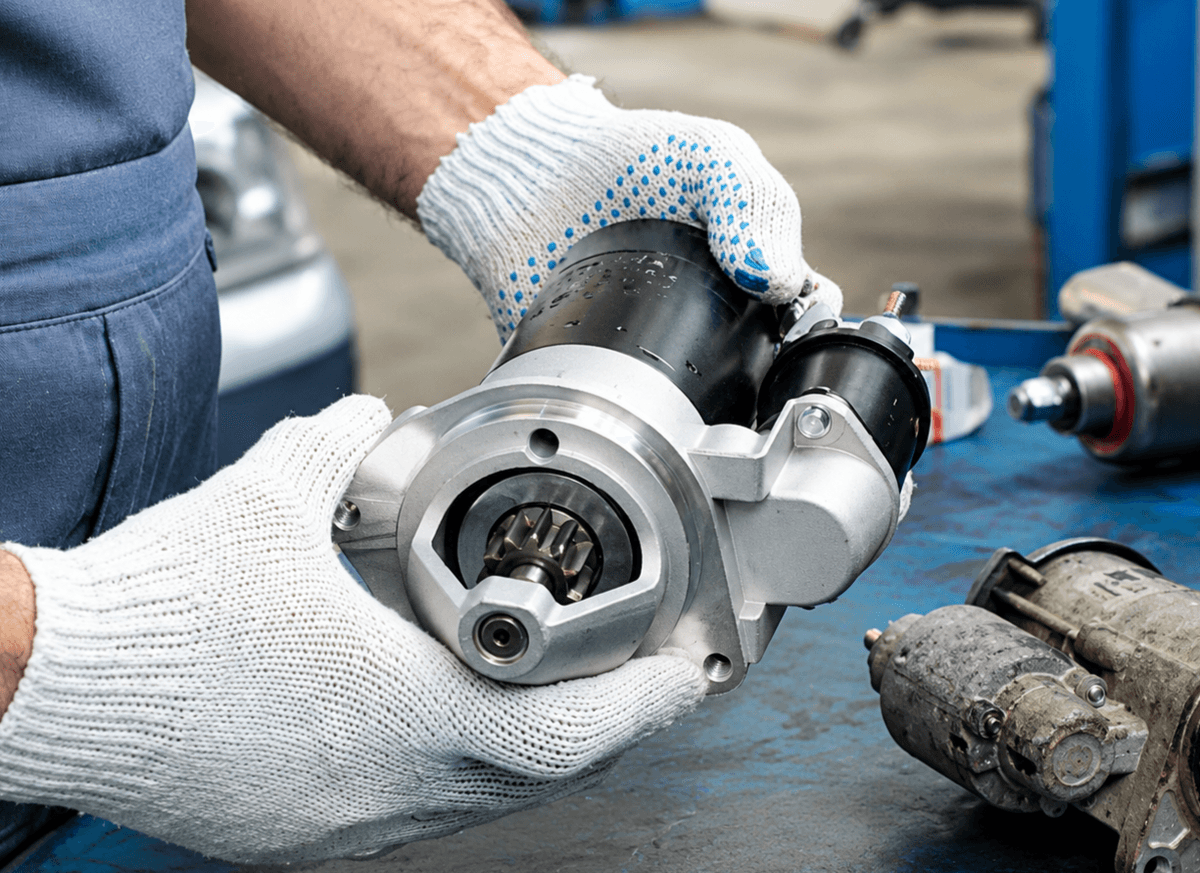
Starter
Learn how to choose a reliable starter supplier for bulk orders. This guide covers specifications, testing, sample approval, quality control, traceability, packaging, warranty, and supplier support to help buyers reduce sourcing risks.
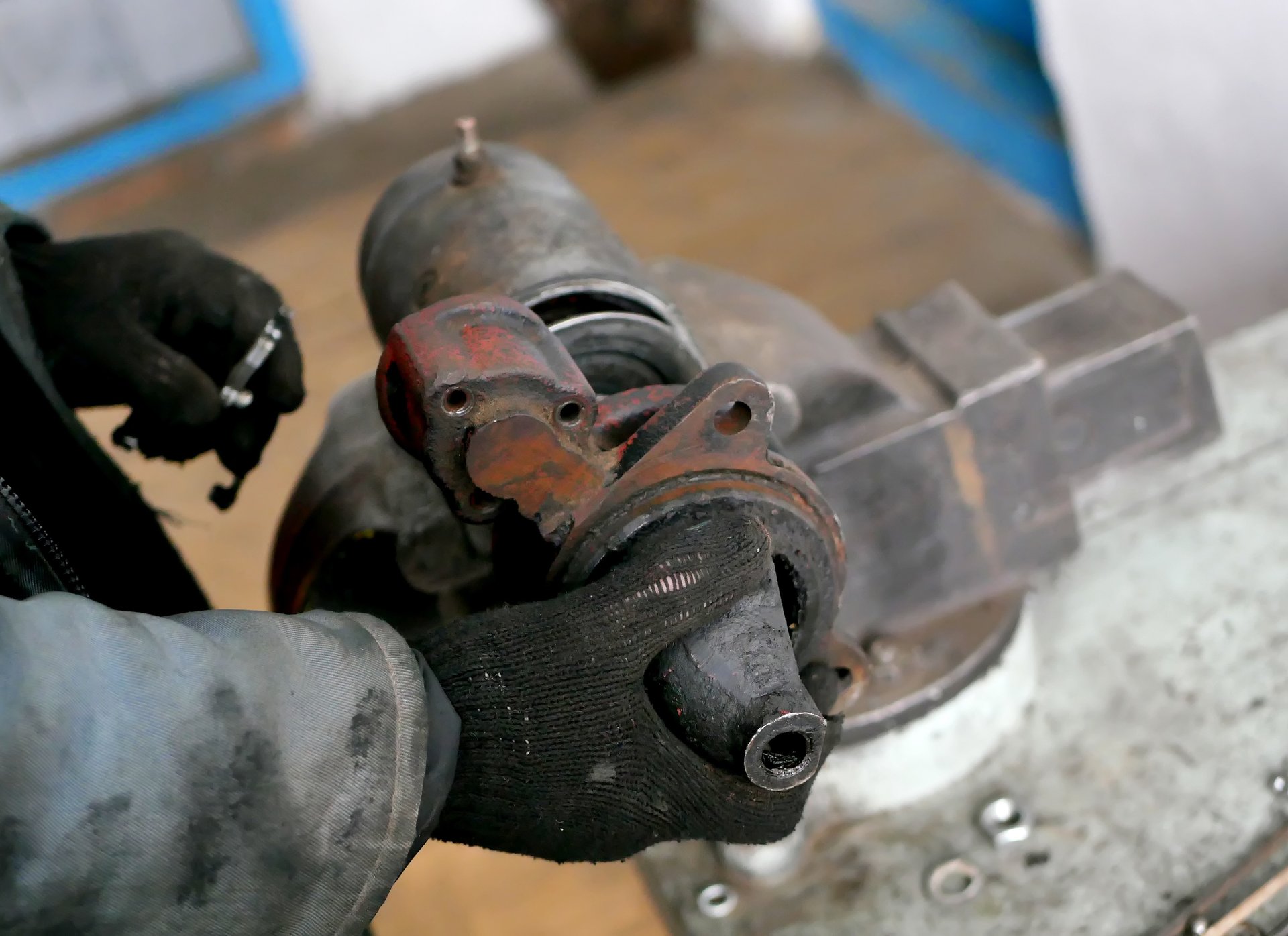
Starter
A starter motor is the DC motor that cranks an engine to life. How it works, the types on the market, the failure signs worth trusting, the specs to verify before buying, and what separates a dependable supplier from a cheap listing.
Starter
Learn how to choose a reliable starter supplier for bulk orders. This guide covers specifications, testing, sample approval, quality control, traceability, packaging, warranty, and supplier support to help buyers reduce sourcing risks.
Starter
A starter motor is the DC motor that cranks an engine to life. How it works, the types on the market, the failure signs worth trusting, the specs to verify before buying, and what separates a dependable supplier from a cheap listing.