

Learn the difference between a starter solenoid and starter relay, including their functions, current loads, locations, and applications.
Learn the difference between a starter solenoid and starter relay, including their functions, current loads, locations, and applications.
Starter solenoids and starter relays are often confused because both use electromagnetic switching to control the starting circuit. They are not the same component, however. Their location, current load, construction, and role in the starting process are different. Understanding these differences helps buyers source the correct part.
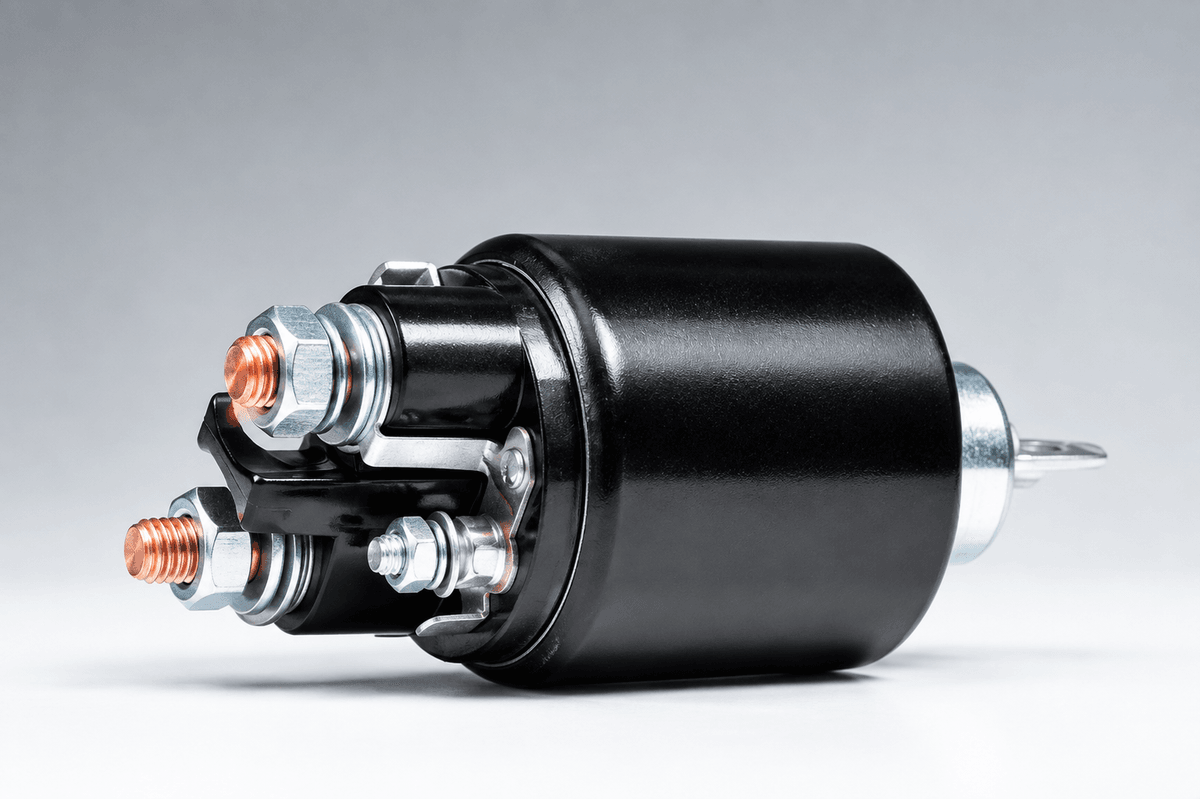
A starter solenoid is an electromagnetic switch used with a starter motor.
It performs two important jobs during engine starting:
It moves the starter drive into engagement with the engine's flywheel.
It closes the high-current electrical connection between the battery and starter motor.
Because it combines electrical switching with mechanical movement, the starter solenoid is normally mounted directly on the starter motor or very close to it.
A typical starter solenoid contains:
Pull-in and hold-in coils
Plunger
Contact disc
Main terminals
Control terminal
Housing
Return spring
Insulating components
When the starting signal reaches the solenoid, the electromagnetic force moves the plunger. The movement engages the starter gear and closes the main contacts, allowing high current to reach the starter motor.
If you're comparing different starter solenoid options, SINTLY offers a range of starter solenoids for different automotive applications.
A starter relay is an electrically controlled switch that uses a relatively small control current to operate another circuit.
In a typical automotive starting system, the starter relay receives a signal from the ignition or control circuit and switches power toward the starter solenoid.
This allows the vehicle's control circuit to operate the starting system without carrying the full current required by the starter motor.
A typical starter relay includes:
Coil
Iron core
Armature
Spring
Contacts
Terminals
Housing
Common automotive relays use terminal numbers such as:
30
85
86
87
A five-pin relay may also have terminal 87a.
The exact configuration depends on the application, so terminal numbers should always be checked against the specific relay diagram.
Buyers looking for different starter relay applications can also review SINTLY's starter relay product range.
The starter solenoid operates when the starting circuit supplies voltage to its control terminal.
The sequence is generally:
Starting Signal
      ↓
Solenoid Coil Energized
      ↓
Magnetic Field Created
      ↓
Plunger Moves
      ↓
Starter Gear Engages
      ↓
Main Contacts Close
      ↓
Battery Current Reaches Starter Motor
      ↓
Engine Cranks
The solenoid must complete this sequence quickly and reliably.
If the plunger does not move far enough, the starter gear may not engage correctly. If the main contacts do not close properly, excessive voltage drop can occur and the starter may not receive sufficient power.
This is why the internal construction and contact quality of a starter solenoid matter when sourcing replacement parts.
The starter relay performs a simpler switching function.
When the ignition or control circuit sends a small current through the relay coil, a magnetic field is created.
The magnetic field moves the armature and closes the relay contacts.
The sequence is generally:
Ignition / Control Signal
      ↓
Relay Coil Energized
      ↓
Magnetic Field Created
      ↓
Armature Moves
      ↓
Relay Contacts Close
      ↓
Power Sent to Starting Circuit
      ↓
Starter Solenoid Activated
After the starting signal is removed, the magnetic field disappears and the spring returns the armature to its original position.
The relay therefore acts as an electrical control device rather than directly engaging the starter gear.
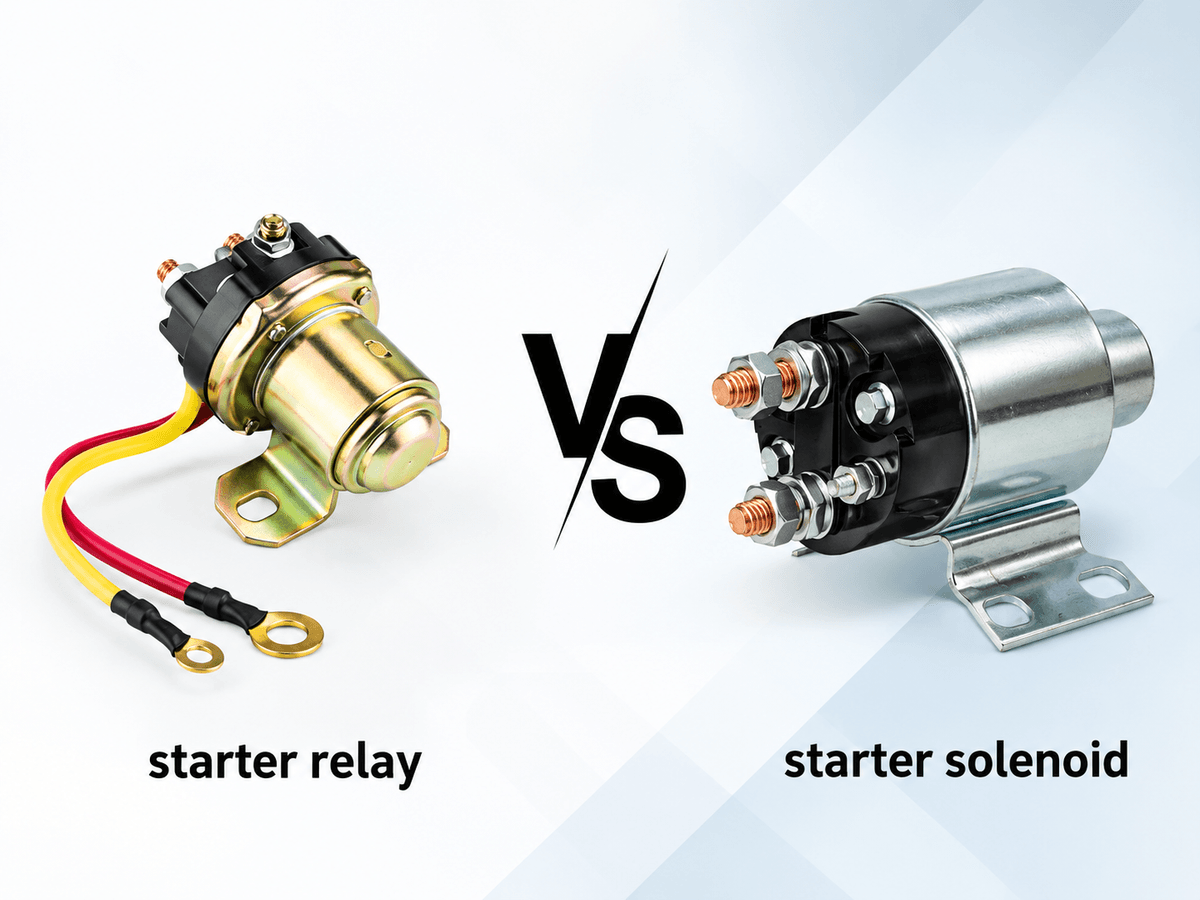
| Feature | Starter Solenoid | Starter Relay |
|---|---|---|
| Main function | Engages starter drive and switches starter current | Controls the starting circuit |
| Mechanical movement | Moves plunger and starter drive | Moves internal armature |
| Typical location | Mounted on or near starter motor | Often located in fuse box or relay panel |
| Current handled | Higher starter current | Lower control-side current |
| Main role | Directly controls starter motor operation | Controls the signal/power path to the solenoid |
| Construction | Coil, plunger, contacts, terminals and housing | Coil, armature, contacts, spring and housing |
| Typical application | Starter motor assembly | Vehicle starting control circuit |
| Can they replace each other? | No | No |
The exact electrical ratings and configurations vary by vehicle and product design, so buyers should always verify the specific application rather than relying only on the general differences above.
One of the most important differences is the amount of current each component is designed to control.
A starter relay generally handles the lower-current control side of the starting system.
The starter solenoid, by contrast, operates much closer to the starter motor and must switch a much larger electrical load.
This difference affects:
Contact material
Terminal design
Wire size
Heat generation
Electrical resistance
Housing design
Durability requirements
Because the starter solenoid works under a much heavier electrical load, its contacts and terminals must be designed to minimize excessive resistance and heat.
For B2B buyers, this is one reason why a starter relay specification should not automatically be applied to a starter solenoid, even when the two products are both described as electromagnetic switches.
Location is another useful identification clue.
A starter solenoid is generally mounted directly on the starter motor.
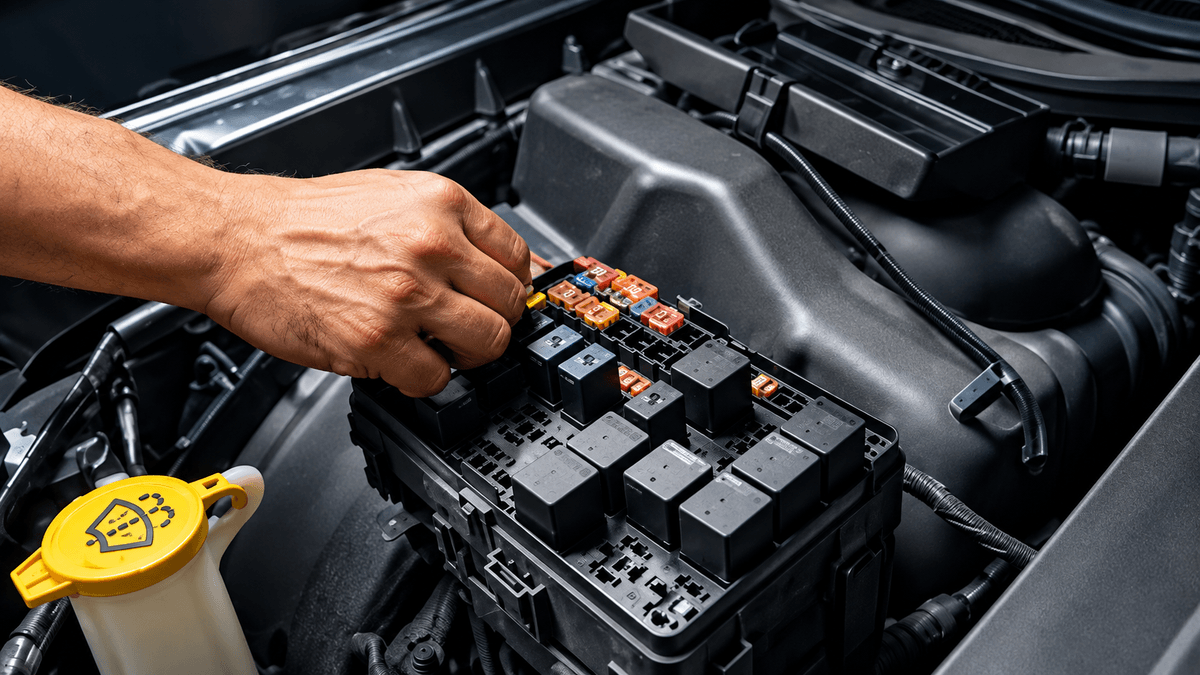
A starter relay is commonly located in:
Fuse boxes
Relay panels
Engine compartments
Inner fenders
Other locations specified by the vehicle manufacturer
However, location alone should not be used to identify a part.
Different vehicle manufacturers and starter designs use different configurations.
When sourcing a replacement, verify the product number, application, terminal configuration, voltage, dimensions, and electrical specifications.
For a deeper look at starter solenoid construction, testing, and quality considerations, see SINTLY's guide to how starter solenoids work and why quality matters.
The coils generate the magnetic field needed to move the plunger.
Many starter solenoids use separate pull-in and hold-in winding functions to control the movement and position of the plunger.
The plunger moves when the solenoid is energized.
Its movement is responsible for engaging the starter drive and operating the main contacts.
The main contacts carry the high electrical current between the battery and starter motor.
Their material, surface condition, alignment, and contact pressure can affect electrical performance.
The housing protects the internal components from vibration, heat, moisture, and contamination.
Insulating components prevent unintended electrical connections between terminals and other components.
The relay coil creates the magnetic field when the control circuit is energized.
The core strengthens the magnetic field and helps attract the armature.
The armature moves when the coil is energized and changes the position of the electrical contacts.
The spring returns the armature when the relay is de-energized.
The contacts open or close the controlled circuit.
Because they operate repeatedly, contact wear, arcing, and contamination can eventually affect relay performance.
Common automotive relay terminals include 30, 85, 86, and 87, although configurations vary by product.
Generally, no.
Although both components are electromagnetic switches, they perform different functions.
A starter relay controls an electrical circuit.
A starter solenoid also performs the mechanical function of moving the starter drive while switching the high-current connection to the starter motor.
Replacing one with the other without confirming the vehicle's original design can result in:
Incorrect electrical connections
Insufficient current capacity
Starter engagement problems
Electrical overheating
Failure to crank the engine
For sourcing purposes, treat the starter solenoid and starter relay as separate product categories unless the exact application documentation confirms otherwise.
If you are sourcing a starter relay or starter solenoid, do not rely only on the product name.
Use the following identification process.
Record the number printed on the component.
This is usually the fastest way to begin a cross-reference search.
If you are dealing with a starter solenoid, identify the starter model or starter reference.
The solenoid must match the starter assembly.
Common automotive starting systems include 12V and 24V applications.
The replacement component must match the intended electrical system.
Compare:
Number of terminals
Terminal position
Terminal size
Terminal markings
Connector type
This is especially important when comparing visually similar relays or solenoids.
For starter solenoids, check:
Mounting holes
Mounting position
Plunger length
Stroke
Terminal location
Housing dimensions
For relays, check the housing and terminal configuration.
Finally, compare the:
Part Number + OE Number + Starter Model + Vehicle Application + Specifications
A complete match provides much greater confidence than a visual comparison.
Two solenoids or relays can look nearly identical while having different electrical characteristics.
Some markets use "starter relay" and "starter solenoid" differently, which can create confusion during international sourcing.
Always verify the actual function and application.
Matching 12V to 12V is not enough.
You should also confirm current capacity, dimensions, terminals, operating characteristics, and application.
Cross-reference data is useful, but buyers should still confirm the actual part specifications and fitment.
For bulk orders, a sample should be evaluated before mass production or shipment.
The sample should be checked against the approved specification and, where appropriate, tested as part of the complete starter system.
When purchasing starter solenoids or starter relays in bulk, look beyond catalogue coverage.
A reliable supplier should be able to provide:
Clear product specifications
OE and aftermarket references
Sample approval
Quality inspection
Electrical testing
Batch traceability
Consistent production
Packaging protection
Warranty support
Technical assistance
SINTLY's existing [starter solenoid quality control guide] explains why specifications, loaded testing, sample approval, production consistency, and traceability matter before a bulk order.
For buyers sourcing both components, SINTLY also offers [starter relays] and [starter solenoids] as separate product categories.
No. They are both electromagnetic switching devices, but they normally have different functions. A starter relay controls the starting circuit, while the starter solenoid also engages the starter drive and switches the high-current connection to the starter motor.
In a typical automotive starting system, the starter solenoid handles the higher-current connection associated with the starter motor, while the starter relay operates on the lower-current control side.
Start with the original part number and application. Then compare the component's location, terminal configuration, voltage, dimensions, electrical specifications, and starter reference.
The solenoid needs to mechanically engage the starter drive while switching the high-current connection to the starter motor. Mounting it directly on the starter helps integrate these functions.
A multimeter can be used to check resistance and continuity, but these tests alone do not prove that a solenoid will perform correctly under load. For a more complete evaluation, functional and loaded testing should also be considered.
Starter Solenoid
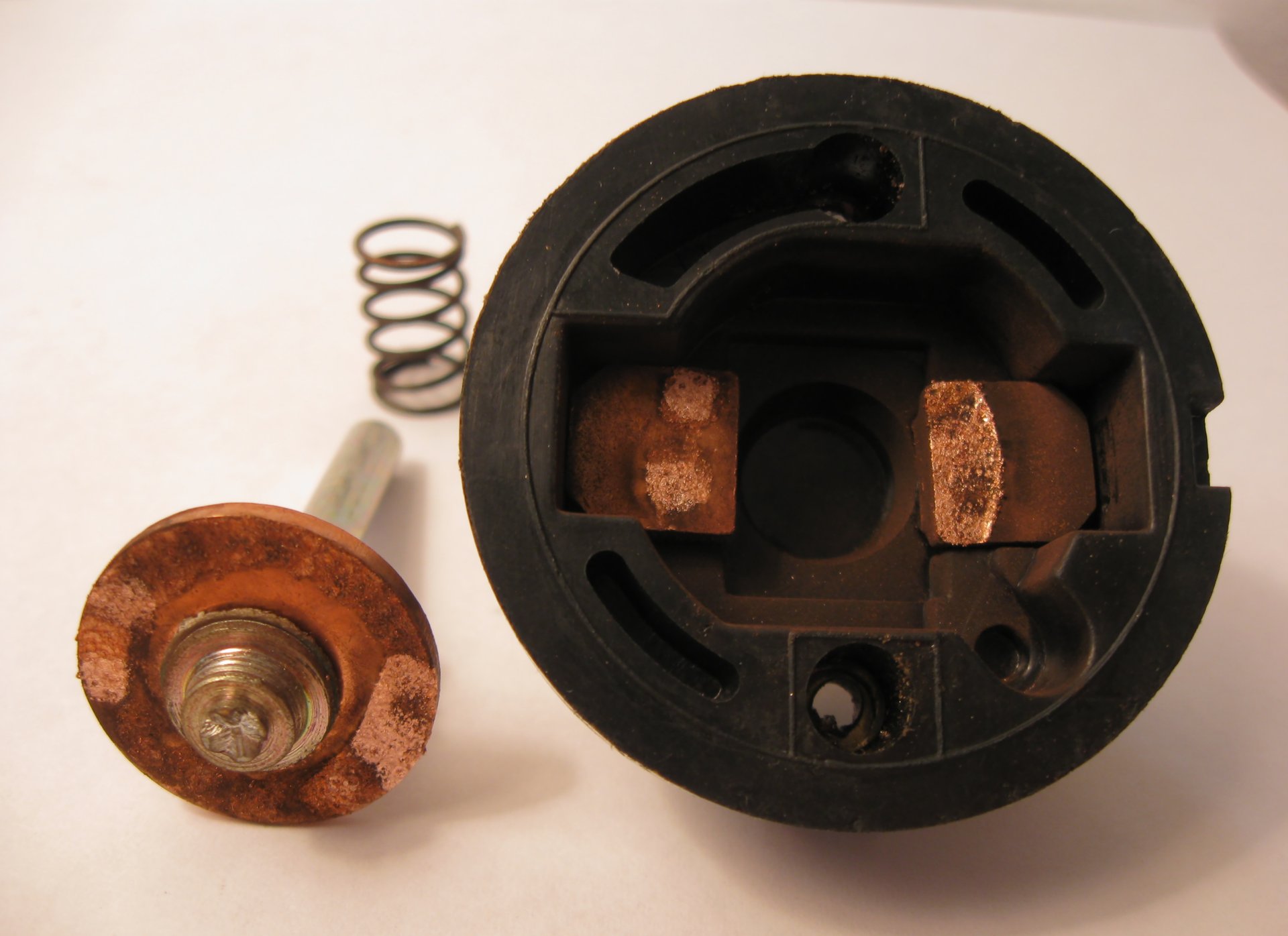
Starter solenoid failures follow recognizable patterns. This guide separates failure modes from operating causes, from contact erosion and coil burnout to low-voltage chatter and corrosion, and shows buyers how to read the evidence in returns.

Starter Solenoid
A starter solenoid that passes a bench test can still fail under real starting conditions. What matters for bulk orders is confirmed specifications, tests under load, samples from production tooling, and batch traceability that can contain a defect.
Starter Solenoid
Starter solenoid failures follow recognizable patterns. This guide separates failure modes from operating causes, from contact erosion and coil burnout to low-voltage chatter and corrosion, and shows buyers how to read the evidence in returns.
Starter Solenoid
A starter solenoid that passes a bench test can still fail under real starting conditions. What matters for bulk orders is confirmed specifications, tests under load, samples from production tooling, and batch traceability that can contain a defect.